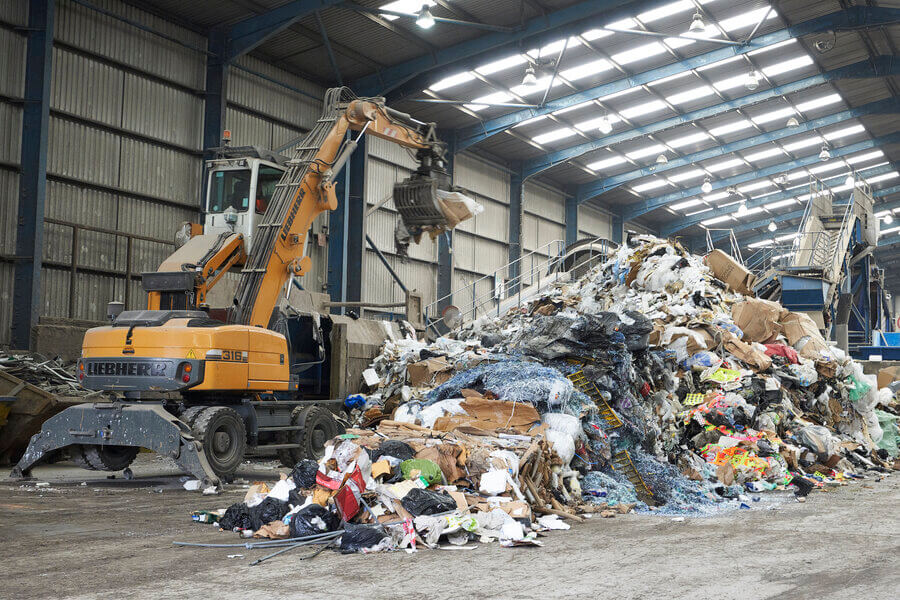
Recycling has become more than just a trend; it is a vital part of responsible business practices, especially in bustling cities like Cincinnati. For industries and commercial establishments, adopting recycling programs is not only an environmental responsibility but also a smart business move. Industrial and Commercial Recycling in Cincinnati, OH has grown significantly in recent years, reflecting the increasing awareness of sustainable practices among local companies. By embracing these services, businesses can reduce waste, cut costs, and improve their reputation among clients and the community. This article explores the top benefits of implementing industrial and commercial recycling programs, helping business owners understand why this practice is essential for long-term success.
Environmental Impact Reduction
One of the most significant benefits of Industrial and Commercial Recycling in Cincinnati, OH is its positive effect on the environment. Industries generate substantial amounts of waste, including metals, plastics, paper, and electronics, which, if not properly managed, end up in landfills. Recycling reduces the volume of waste, preventing harmful materials from polluting the soil, air, and water. Furthermore, recycling certain materials, like metals and plastics, reduces the need for raw material extraction, which often consumes energy and contributes to greenhouse gas emissions. By implementing a robust recycling strategy, companies can play a pivotal role in creating a cleaner, healthier environment for Cincinnati residents while contributing to global sustainability efforts.
Beyond just waste diversion, recycling also supports local ecosystems. For instance, reducing landfill usage helps preserve natural habitats and lowers the risk of contamination in nearby rivers and streams. Businesses that prioritize industrial and commercial recycling demonstrate environmental stewardship, which can inspire other local enterprises to adopt similar practices. Over time, these efforts collectively contribute to a greener, more sustainable city.
Cost Savings and Efficiency
Many business owners initially view recycling as an added expense, but Industrial and Commercial Recycling in Cincinnati, OH often results in significant cost savings. By separating recyclable materials from general waste, companies can reduce their overall trash volume, leading to lower disposal fees. Additionally, recycling programs can uncover materials that hold resale value, such as metals, cardboard, and certain plastics, creating an additional revenue stream.
Implementing recycling programs also encourages operational efficiency. When employees follow structured recycling protocols, it minimizes waste mismanagement and promotes organized waste handling. Companies that track recycling data can identify opportunities to reduce unnecessary packaging, streamline production processes, and optimize resource usage. These efficiency gains ultimately lower operational costs and improve the bottom line, making recycling a financially savvy choice.
Moreover, businesses that demonstrate cost-effective recycling practices can enhance relationships with stakeholders and clients. Many customers now expect environmentally conscious operations, and companies that can showcase tangible sustainability efforts often gain a competitive edge in their respective industries.
Regulatory Compliance and Risk Management
Adhering to environmental regulations is crucial for any industrial or commercial operation. Cincinnati, like many cities, has specific guidelines governing waste disposal and recycling practices. By engaging in Industrial and Commercial Recycling in Cincinnati, OH, businesses can ensure compliance with local, state, and federal regulations. This reduces the risk of costly fines, legal disputes, and potential operational shutdowns due to non-compliance.
Recycling also plays a key role in risk management. Proper disposal of hazardous materials, electronics, and other regulated waste protects businesses from liability issues and environmental accidents. For example, electronic waste contains substances like lead and mercury, which require specialized handling. Partnering with certified recycling providers ensures these materials are managed safely, reducing the risk of contamination and protecting both employees and the surrounding community.
Additionally, businesses that maintain consistent recycling programs are often viewed more favorably by regulatory agencies and local authorities. This positive relationship can facilitate smoother permitting processes and provide a foundation for future expansion or operational changes within Cincinnati.
Enhanced Brand Reputation and Corporate Responsibility
In today’s competitive business landscape, reputation is a critical asset. Companies that invest in Industrial and Commercial Recycling in Cincinnati, OH demonstrate a commitment to corporate social responsibility (CSR) and sustainability. Consumers and business partners increasingly prioritize environmental stewardship, and companies that fail to adopt recycling practices may face reputational disadvantages.
Recycling initiatives offer tangible proof of a company’s dedication to the community and the environment. By promoting sustainable practices, businesses can enhance brand loyalty and attract eco-conscious clients. For industrial and commercial operations, this may also translate into stronger relationships with corporate partners, suppliers, and government organizations that value sustainability.
Moreover, employees often feel more engaged and motivated when working for companies that prioritize environmental responsibility. Recycling programs can foster a culture of sustainability, boosting morale and encouraging staff to contribute to broader green initiatives. Companies with strong CSR programs often enjoy higher retention rates, increased productivity, and a more positive public image.
Innovation and Market Opportunities
Adopting Industrial and Commercial Recycling in Cincinnati, OH can also open doors to innovation and new market opportunities. Recycling often requires businesses to rethink product design, packaging, and waste management processes. This can lead to innovative solutions, such as developing recyclable packaging, repurposing waste materials into new products, or implementing circular economy models.
Businesses that embrace these innovations can differentiate themselves in the marketplace. For instance, industries that produce reusable materials or sustainable products may attract environmentally conscious buyers willing to pay a premium. Recycling initiatives can also inspire collaborations with other businesses or local organizations seeking sustainable solutions, creating networking opportunities and potential partnerships.
Furthermore, the demand for recycled materials continues to grow, both locally and globally. By actively participating in recycling programs, businesses can tap into this expanding market, creating additional revenue streams while simultaneously reducing environmental impact. Companies that adopt forward-thinking recycling strategies position themselves as leaders in sustainability, gaining recognition and influence in their respective industries.
Conclusion
Embracing Industrial and Commercial Recycling in Cincinnati, OH offers a multitude of benefits for businesses of all sizes. From reducing environmental impact and cutting operational costs to ensuring regulatory compliance and enhancing brand reputation, recycling is both a responsible and strategic choice. Additionally, recycling programs encourage innovation and provide new market opportunities, reinforcing a company’s competitive edge. By prioritizing sustainable waste management practices, industrial and commercial businesses in Cincinnati can contribute to a greener community, improve their operational efficiency, and strengthen their relationships with clients, employees, and partners. Adopting recycling is more than just a compliance measure—it is a smart investment in the future of both business and the environment.