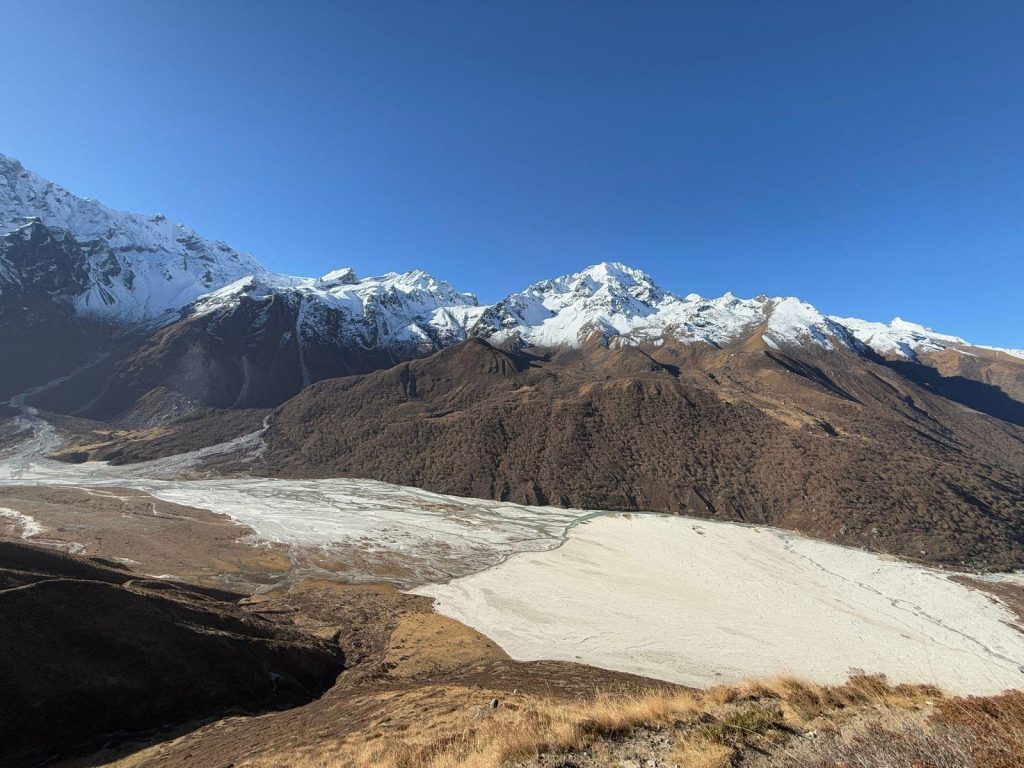
Few treks test limits like the Everest Three High Pass route through Nepal’s rugged peaks. Crossing Renjo La, then Cho La, followed by Kongma La means facing thin air above 5,000 meters day after day. Breath comes harder here, so movement must stay steady, never rushed. Meals need balance – not just calories but timing, portion, rhythm with the climb. Spending nights higher step by step helps the blood adapt, and the lungs adjust slowly. Strength fades fast if pushed too soon, yet momentum matters when trails stretch long. Saving effort where possible makes space for wonder when views unfold without warning. Success hides not in speed but in listening – to body, weather, terrain – each morning anew.
Know the physical challenges of the trek.
Starting the Everest Three High Pass Trek means knowing what your body will face. Some days involve walking nearly fifteen kilometers, often uphill or down rocky paths. Because of the thin air up high, every step takes more effort than usual. Breathing gets harder, energy drops faster. Spotting these signs ahead of time changes how you handle breaks and speed. Moving steadily matters more when trails climb sharply. Your strength lasts longer if the strain stays within limits.
Pacing Yourself on Long Trekking Days
Early speed often backfires when you’re miles from camp. Instead of pushing hard at sunrise, try holding back a little. Muscles work better when they ease into rhythm, not sprint from mile one. Heart and lungs catch up more smoothly if effort builds slowly. Pausing every sixty minutes briefly resets fatigue before it stacks up. Rushing uphill burns fuel fast, leaving nothing for later climbs. Progress feels lighter when movement stays even across rough terrain. On steep ridges, calm timing beats hurried steps every time.
Adapting Helps Save Energy
Up high, trails take a heavier toll – altitude illness might zap strength fast. To keep going, let your system adapt slowly; that matters most. Build in breaks smartly, climb step by step, so breathing finds its rhythm. Water keeps you steady, deep sleep rebuilds reserves, while holding back early effort saves power later on. Tough stretches need saved fuel – go easy when the air thins.
Nutrition Tips for Steady Energy Levels
Meal picks shape how nicely you close on the Everest 3 high pass Trek. Whilst carbs, protein, and healthy fat come collectively in rich food, they provide energy during tough stretches. Instead of ready, eating little bits often continues fuel stability and avoids sudden drops. Snacks like nuts or dried fruit tour effortlessly, prepared every time the route receives a steep. Even at heights past five 000 meters, a quick chew can flip matters around before fatigue sets in deep.
Hydration is linked to electricity levels.
Thirst might probably sneak up fast, even as you’re above treeline, draining electricity and clouding choices. Staying on top of fluids keeps stamina steady as elevation rises. Instead of just water, tossing in electrolytes helps balance what sweat takes away. Cramping fades when minerals stay topped up through movement. Long hours moving uphill or down go more smoothly if liquid intake stays consistent. Efficiency follows where hydration leads.
Rest And Recovery For Better Energy Every Day
When climbing, stillness matters as much as steps forward. Sleep gives sore muscles time to heal so the body handles tomorrow’s load. A brief midday nap might be enough to bring back strength lost along the trail. Paying attention – pausing if fatigue shows up early – keeps strain at bay while lowering chances of altitude problems or falls. Resting well means moving better later.
Gear and Weight Considerations
Extra pounds mean your body burns more fuel, turning small hills into tough work. When you choose lighter clothes, tools, and supplies, each step takes a bit less out of you. Shoes that fit right, plus sticks to lean on, take pressure off legs and knees. Movement flows more easily when load and impact drop together. Tiredness builds more slowly when every part works just enough. High trails feel smoother under steady, smart choices.
Mental Energy and Motivation
Energy isn’t only about muscles – it lives in your head too. Trekking across the three high passes of Everest? That tests what’s inside your mind more than anything. A clear head keeps choices sharp, bodies steady. Rushing your thinking wears you down like rushing each step. Stay locked into now – each breath, every stone underfoot – and the path unfolds easier. Thoughts need rest just like legs do. Pushing through doubt works better when you let moments breathe.
Final Thoughts: A Balanced Approach for Success
Starting slow helps more than rushing ever could on the Everest Three High Pass Trek. One step at a time matters most when altitude stretches every breath. Instead of pushing through fatigue, many find strength by pausing often under vast skies. Each meal becomes fuel, not just food, shaping how far legs carry minds across rocky trails. Water sipped steadily, keeping thoughts clear near icy ridges. Sleep comes hard sometimes, yet it rebuilds what climbing wears down. Focus shifts moment to moment – sometimes sharp, sometimes foggy – but still moves forward. Views unfold without warning: snow-blanketed peaks after blind turns. Moments like these stay long after boots stop moving. Finishing isn’t only about reaching spots marked on maps – it’s carrying quiet pride from paths walked with care.