
Measles cases in the United States rose by 8 percent in a single week, bringing the national total to 4,410, according to the latest surveillance figures. For Moon Valley readers, and particularly for local clinics and school nurses, the increase is a reminder to check the basics calmly: know the symptoms, know your vaccination status, and know when to seek care. Public health officials stress that measles is preventable, and that the current rise reflects gaps in vaccination cover rather than any change in the virus itself.
Measles is one of the most contagious diseases known. The virus spreads through the air when an infected person coughs or sneezes, and it can linger in a room for up to two hours after that person has left. Where vaccination rates fall below the level needed for community protection, outbreaks become more likely, especially in settings where young children mix closely, such as nurseries, schools and busy clinics.
What Is Driving the Rise
Health officials link the increase mainly to pockets of low vaccination uptake, missed routine immunisations, and travel-related introductions that then spread locally. None of this requires alarm, but it does require attention. When cover is high, imported cases tend to fizzle out. When cover is patchy, the same introduction can start a chain of transmission that takes weeks of contact tracing and catch-up clinics to close down.
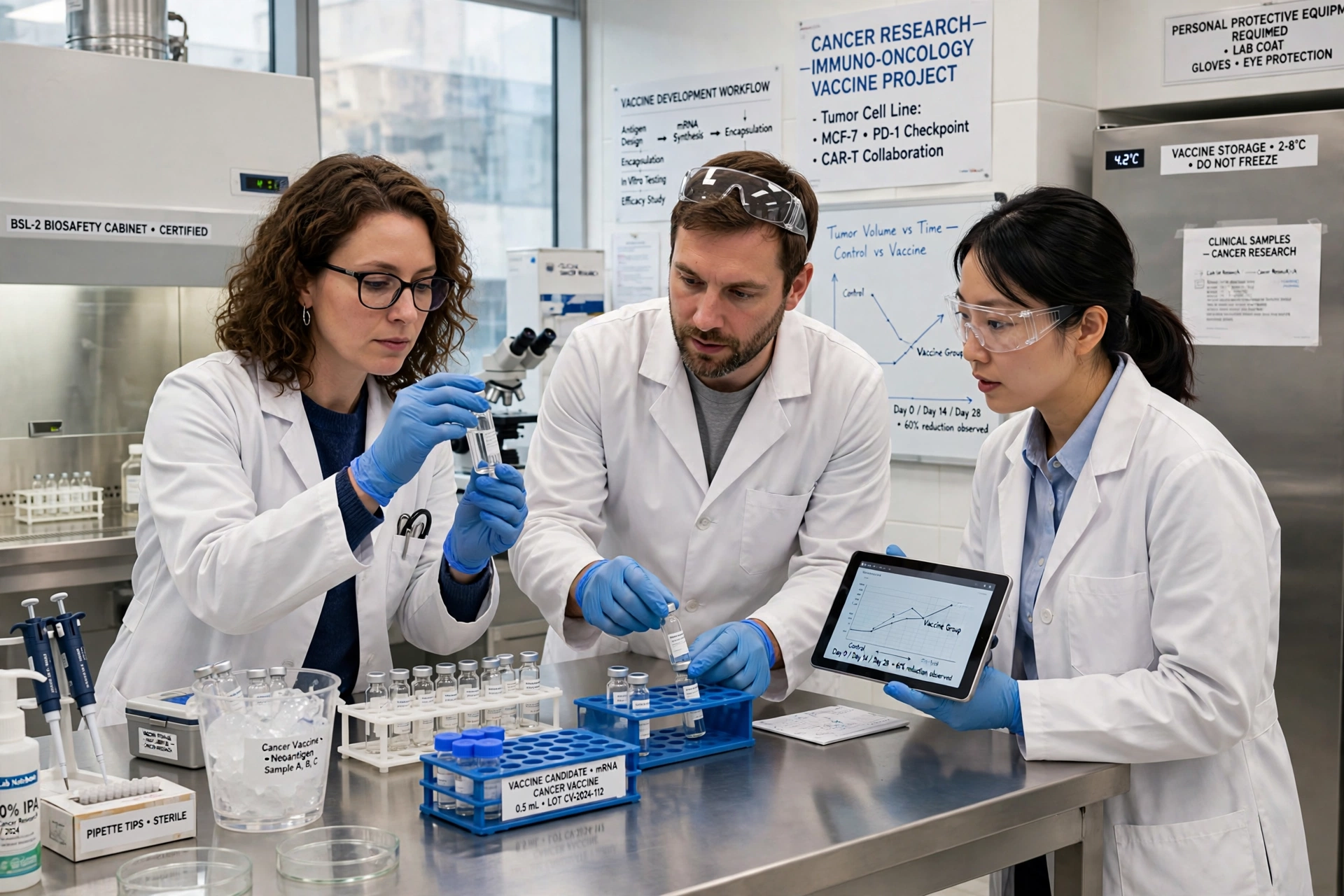
Our recent health coverage, including our report on an early vaccine trial, shows how much modern medicine depends on people actually receiving the vaccines that already exist. The measles vaccine is not experimental: it has been used safely for decades, and two doses are about 97 percent effective at preventing the disease.
Symptoms to Watch For
Measles usually begins with a high fever, a runny nose, coughing and red, watery eyes. Small white spots may appear inside the mouth, and after a few days a red, blotchy rash typically starts on the face and spreads over the body. Anyone showing these signs, especially after travel or contact with a confirmed case, should phone a clinician or urgent care service before arriving in person, so staff can reduce the risk to others in waiting areas.
The Centers for Disease Control and Prevention measles guidance sets out the current recommendations in detail, including what to do after an exposure and which groups face higher risk of complications. Infants too young to be vaccinated, pregnant women and people with weakened immune systems need particular protection, which is one reason community cover matters so much.
Local clinics in several affected areas have responded by extending catch-up vaccination sessions, including evening and weekend appointments for families who missed routine doses during busy periods. Health workers say these practical steps, combined with clear reminders sent through schools and GP practices, usually close immunity gaps within a few months. The aim is not to single anyone out, but to make the protected choice the easy choice for every family.
Vaccination Guidance, Plainly Stated
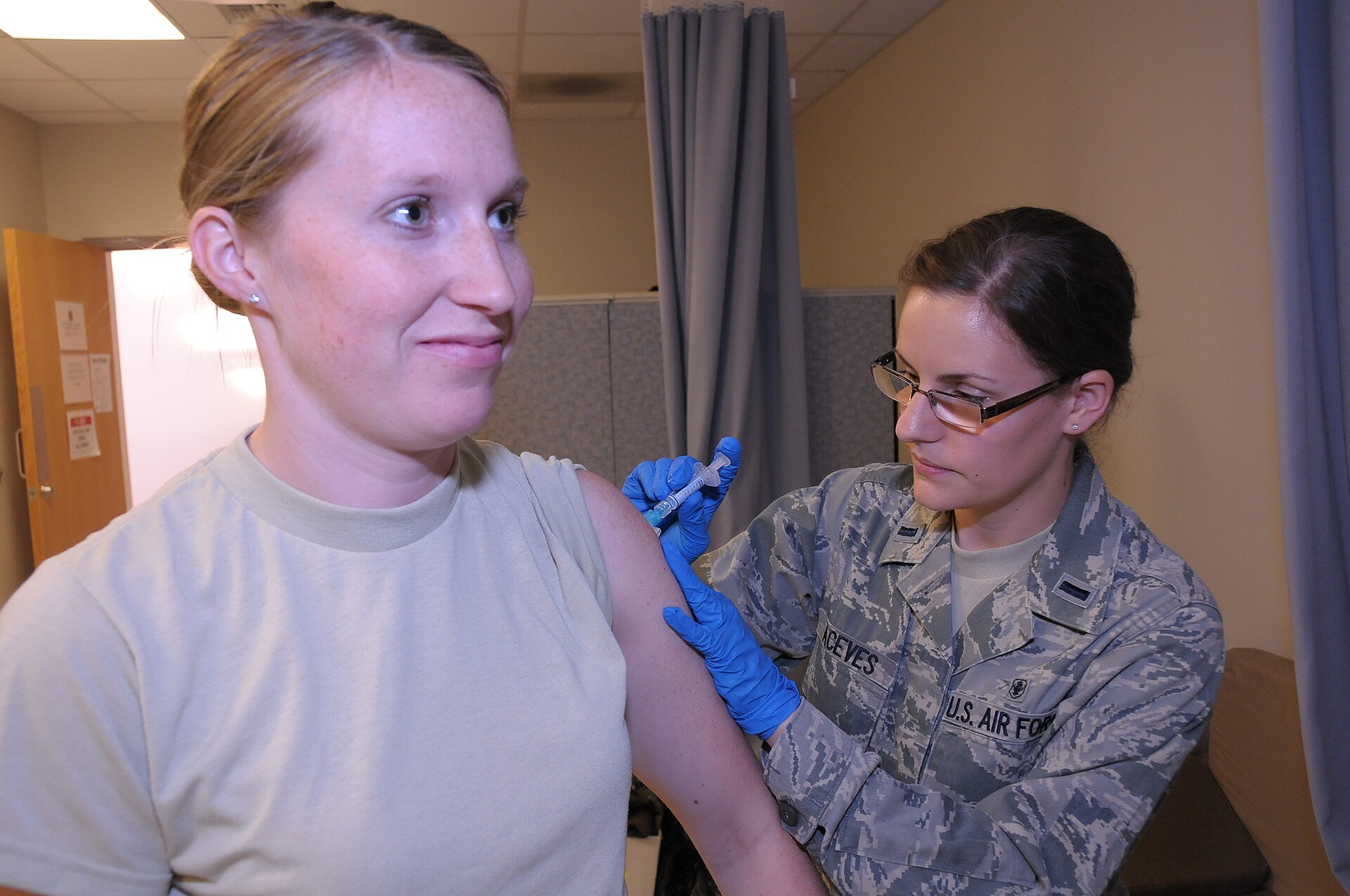
The standard advice is unchanged and straightforward. Children should receive two doses of the measles, mumps and rubella vaccine, the first at around 12 to 15 months and the second at 4 to 6 years. Adults who are unsure of their status should check their records, and catch-up vaccination is widely available. If you cannot find your record, a clinician can advise on testing or simply vaccinating, which is safe even if you were vaccinated before.
As our science reporting noted in our coverage of a record-breaking space discovery, good decisions depend on good counts. The same applies here: the weekly count of 4,410 cases, up 8 percent, is a signal to verify cover in your own household and community, not a reason for panic.
A Measured Conclusion
Measles can cause serious complications, including pneumonia and, rarely, inflammation of the brain, which is why officials take every rise seriously. But the tools to reverse this trend are ordinary and proven: timely vaccination, quick isolation of cases, and honest communication. Checking your family’s immunisation status this week is a small step that, multiplied across a community, is exactly how outbreaks end.