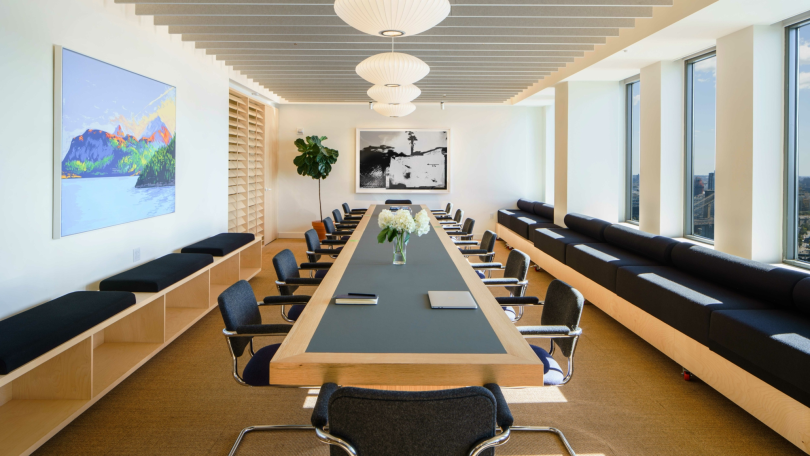

Offices today are usually small. Space is always tight. Not everyone has a big boardroom. Not every office can have a huge meeting area. But meetings still happen. Every day. They are unavoidable.
This is why small meeting tables are useful. They give people a place to meet, talk, and share ideas. And they do this without taking up much space. Even a small corner of an office can feel organized and useful if you have the right table.
Small meeting tables are flexible. You can place them in corners, next to desks, or in open areas. They come in different shapes and materials. Wood conference tables are classic. Modern office tables are sleek. Both can look good and serve the purpose.
A table is not just a surface. It affects how people work. It can make a space look welcoming. Or professional. In this guide, we will talk about the best options for small meeting tables. How to choose them. What features to look for. And why they matter in modern offices.
Why Small Meeting Tables Are Important
Space is limited in most offices. But meetings still happen. That’s the challenge. Small meeting tables solve it. They let people meet without filling up the room.
Even a small table can be useful. One-on-one meetings. Short group discussions. Brainstorming. A table can become the center of collaboration. It makes talking easier, comfortable, and natural.
Choosing the Right Shape
Shape matters. A round table works differently from a rectangular one.
Small round conference tables are popular. Everyone can see each other. There is no “head of the table.” This encourages discussion. People feel included. They speak more freely.
Round tables are good in creative offices. Smaller offices, too. Rectangular tables are still common. They give a traditional look. But in tight spaces, oval or round tables usually fit more people comfortably. They don’t make the room feel cramped.
Material and Quality
Material is important. It affects durability and looks.
Wood conference tables are timeless. They bring warmth. They are sturdy. They last a long time. Minimal maintenance is needed. A good wood table can even become the centerpiece of a small meeting space.
Modern office tables are lighter, made of glass or metal. Easier to move. Glass-topped tables reflect light. The room feels bigger. Some tables combine wood and metal. This gives strength and a modern look. The right material depends on the office, usage, and style.
Functionality and Space Efficiency
Small offices need practical tables. Function is key. But so is saving space.
Conference tables for small spaces give the same utility as bigger tables. But they use less floor area. Multiple people can meet without feeling crowded.
Space-saving office meeting tables are useful, lightweight and easy to move. Some fold while some extend. If your office has quick meetings often, a smaller portable table is better than a large fixed one.
Features to Look For
Some small tables have features that help make meetings smoother:
- Cable management: Keeps laptop and device wires tidy. No tangles.
- Adjustable heights: Sit or stand. Good for offices that allow flexible work.
- Durable finishes: Scratch- and stain-resistant surfaces last longer.
Small features like these make a table easier to use. Meetings run smoothly with fewer distractions.
Style and Aesthetics
Style matters. Tables should look good. Modern office tables are simple. Clean lines. Neutral colors. Minimal designs. They fit into most office setups.
Small round conference tables look casual yet professional. Wood conference tables look warm and reliable. Even small spaces feel inviting with the right table.
Neutral colors like white, grey, or natural wood are safe choices. Muted colors can be used to add character without overwhelming the room.
Placement and Lighting
Placement is key. Make sure people can move around freely. Avoid placing the table in tight corners. Walls too close make the space feel cramped.
Lighting matters. Natural light is the best. It helps focus and mood. Place the table near a window if possible. If light is limited, use overhead lighting or a small lamp. Well-lit tables make meetings more productive and comfortable.
Encouraging Collaboration
Small tables encourage discussion. Large tables feel formal. They can even feel intimidating.
With small tables, everyone can see and hear each other. Participation improves, and communication becomes easier.
In open offices or co-working spaces, small tables create mini-collaboration spots. People can gather, discuss, and then move on. Meetings happen efficiently without taking over the whole office.
Budget Considerations
A good table is an investment. Small tables don’t have to be expensive. But they should be durable. Consider material, function, and style.
Even with a modest budget, it’s possible to find small meeting tables that look good and last long. A strong, reliable table saves money in the long run. You won’t need to replace it every year.
Where to Buy
Buying online is easy. You can buy a Small Meeting Table Online.
Online shops give more options. Sizes. Materials. Styles. You can read product descriptions. Compare features. See reviews. And it saves time. Busy office managers can choose without leaving their desk.
Conclusion
Honestly, small meeting tables are just one of those things offices need, and that’s pretty much it. They don’t have to be fancy. They just have to fit, be steady, and make conversations easier.
When you pick one, you basically look at the size of your room, the shape you prefer, and whether the material feels right for daily use. Nothing deep about it. If it sits well in the space and people can sit around it without bumping elbows, then it works.
Some people go for a round table because it feels informal. Some stick to a simple wooden one for routine meetings. Either way, the room starts feeling a bit more organized once the right table is in place.
Buying a small table online is fine too. You get more options, and you can check what fits your room without running around shops. Even small offices feel a bit more put-together once the table is sorted, and meetings don’t feel as confined.