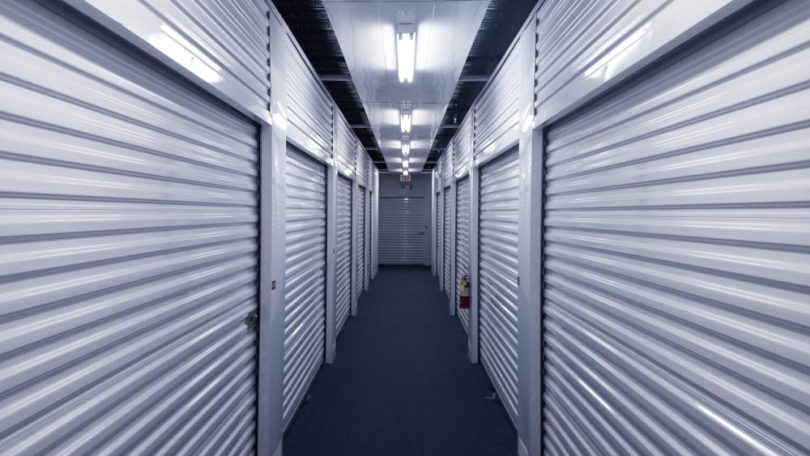

Clearing out space often feels productive at first. Boxes get packed, furniture gets wrapped, and unused items finally leave crowded corners of the home or office. Yet many people pause at one important question before booking a unit what exactly is allowed inside a storage facility and what should never be placed there
Understanding the difference between acceptable and prohibited items prevents complications, protects belongings, and ensures compliance with facility regulations. Every storage provider follows strict policies designed to maintain safety, hygiene, and security for all customers.
Items Commonly Accepted in Storage Facilities
Most household and business items can be safely stored without issue. Furniture such as sofas, tables, beds, and wardrobes are among the most common belongings placed in storage. Proper wrapping and protective covering help prevent dust accumulation and minor surface damage.
Appliances like refrigerators and washing machines are typically permitted, provided they are cleaned thoroughly and completely dry before storage. Moisture left inside appliances can lead to mould growth and unpleasant odours.
Clothing, books, documents, and boxed household goods are also widely accepted. Many individuals use storage Canberra services during relocations, renovations, or extended travel to keep personal belongings secure. Office equipment, archived paperwork, and excess inventory are frequently stored by small businesses seeking additional space.
Seasonal items such as camping gear, holiday decorations, and sporting equipment are equally suitable for storage. These belongings are often used only a few times a year, making offsite storage a convenient solution.
Valuable and Sensitive Items
Electronics, artwork, and collectibles can usually be stored, but additional precautions are recommended. Protective packaging and climate considerations help preserve condition over time.
Customers often choose secure storage in Canberra when safeguarding items of financial or sentimental value. However, extremely valuable items such as large sums of cash, rare jewellery, or irreplaceable personal documents are generally better kept in specialised facilities like bank safety deposit boxes.
Understanding the difference between general storage and specialised protection helps reduce risk.
Items That Are Strictly Prohibited
Safety regulations prevent certain materials from being stored under any circumstances. Flammable substances such as petrol, gas cylinders, fireworks, and paint thinners are strictly banned. These materials present serious fire hazards and endanger the entire facility.
Explosives, ammunition, and illegal substances are also prohibited. Storage facilities operate under clear legal guidelines and cooperate with authorities when necessary.
Perishable goods must never be stored. Food items, whether fresh or packaged, can attract pests and cause contamination. Even sealed food products may eventually deteriorate and create hygiene issues.
Hazardous chemicals and toxic materials are restricted due to environmental and safety concerns. These regulations exist to protect customers and staff from exposure and potential accidents.
Discussions about industrial chemical accidents such as the Beirut port explosion of 2020 highlight why strict storage rules are essential. Improper handling of hazardous materials can lead to devastating consequences.
Living Things and Personal Occupancy
Animals, plants, and people cannot occupy storage units. Facilities are designed solely for goods, not habitation. Attempting to live in a storage unit violates facility policies and safety regulations.
Plants require sunlight, water, and ventilation conditions that storage units cannot provide. Similarly, animals cannot be kept in confined, unmonitored spaces.
Understanding these limitations ensures compliance and avoids penalties.
Preparing Items Before Storage
Proper preparation enhances safety and longevity. Cleaning furniture and appliances reduces mould risk. Draining fuel from lawn equipment prevents flammability concerns. Sealing boxes securely protects contents from dust.
Labelling boxes clearly allows easier retrieval later. Creating an inventory list also helps track stored belongings efficiently.
Storage Canberra facilities maintain guidelines to ensure shared spaces remain secure and hygienic. Reviewing these policies before moving items prevents last minute complications.
Making Informed Storage Decisions
Storage solutions provide flexibility during transitions, business expansion, or household organisation projects. Knowing what can and cannot be stored protects both individual customers and the wider community.
Permitted items generally include furniture, household goods, business inventory, and seasonal equipment. Prohibited materials typically involve flammable substances, hazardous chemicals, perishables, illegal items, and living beings.
Choosing appropriate items for storage ensures peace of mind. Clear guidelines exist not to restrict convenience but to maintain safety for everyone using the facility.
When approached responsibly, storage becomes a practical extension of home or office space. Careful preparation and awareness of restrictions allow individuals to maximise benefits without unnecessary risks. Understanding these boundaries makes the storage process smooth, secure, and dependable from beginning to end.