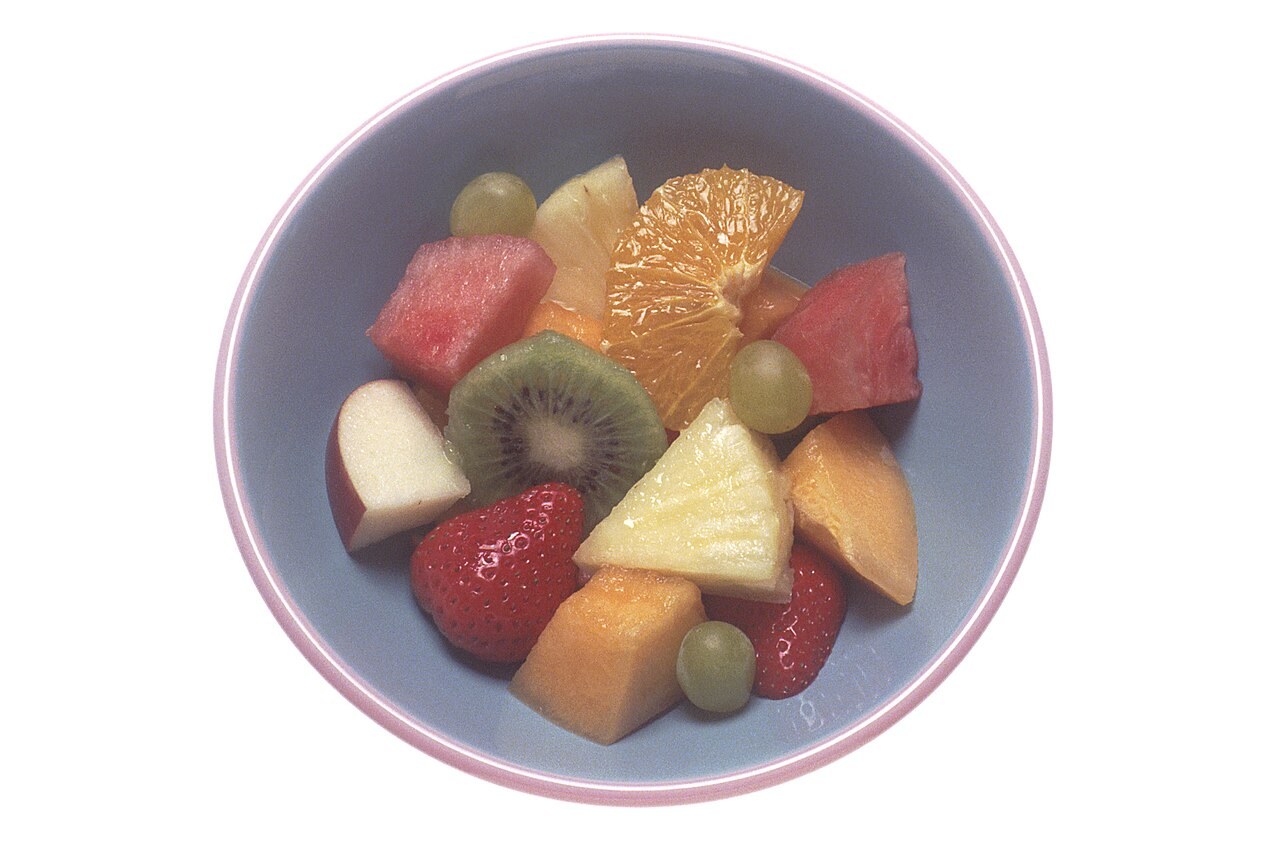

One extra serving of fruit a day might sound like a modest dietary tweak, but an Australian study that followed 6,500 symptom-free 12-year-olds for three years found it was linked to measurable health benefits. The research adds rare long-term evidence to a question parents and policymakers ask constantly: does improving what teenagers eat actually change how healthy they feel and function, or are the benefits too small to detect? According to this cohort, the difference was real, detectable and achievable without any dramatic dietary overhaul.
A large cohort, followed over three years
Longitudinal studies of adolescents are difficult and expensive, which is why this one stands out. Researchers assessed the diets of 6,500 children at age twelve — all free of the symptoms under investigation at the start — and tracked their health over the following three years. Each additional daily serve of fruit in a young person’s diet was associated with measurable improvements in the health outcomes recorded during follow-up. Because the children began the study symptom-free, the design reduces the chance that the results simply reflect sick children eating differently. Australia’s national science agency, the CSIRO, has repeatedly emphasised the value of such nationally relevant cohort data for shaping dietary guidance aimed at young people.
Why fruit may punch above its weight
Fruit delivers a package that is hard to replicate with supplements: fibre that feeds beneficial gut microbes, potassium, vitamin C, folate and a wide range of plant compounds with antioxidant and anti-inflammatory effects. Just as importantly, fruit tends to displace other foods — a piece of fruit eaten at recess is often a packet of crisps or a sugary snack not eaten. Nutrition researchers note that adolescents are among the lowest fruit consumers of any age group, even in wealthy countries, so the headroom for improvement is large. The World Health Organization recommends at least 400 grams of fruit and vegetables daily for adults and emphasises fruit and vegetables as a foundation of healthy diets from childhood onwards.
What this means for families and schools
The encouraging message is the size of the change required: one extra serve. That is a single apple, banana, orange or cup of berries — achievable through a fruit bowl on the kitchen bench, fruit packed by default in lunchboxes, or school canteens that make whole fruit the cheapest and easiest option. School-based programmes that provide free fruit have repeatedly shown they can lift consumption, at least while they run. The study also strengthens the case for protecting school food standards and restricting the marketing of energy-dense, nutrient-poor snacks to children, since habits formed at twelve tend to persist into adulthood, when diet-related disease becomes far harder to reverse.
Habits formed early tend to last
Adolescence is when food preferences, shopping habits and attitudes to health consolidate into the patterns of adult life, which is why researchers prize evidence from this age group. A twelve-year-old who routinely eats fruit is practising a behaviour that requires no prescription, no equipment and no specialist supervision, and that can be reinforced by family routines, school provision and pricing. The study’s three-year window captures exactly the period when primary-school habits meet secondary-school independence, when young people begin buying their own snacks and choosing their own lunches. Interventions that survive that transition — in taste, habit and accessibility — stand the best chance of still mattering at twenty-five and forty-five, when the chronic diseases linked to poor diet begin to appear in medical statistics.
Reading the results with care
Observational studies cannot prove causation outright: families who serve more fruit may differ in income, activity and other habits, and good studies adjust for those factors without eliminating them entirely. Even so, the consistency of the finding with trial evidence on fibre, micronutrients and gut health makes a persuasive cumulative case. Public health experts say the practical takeaway does not require certainty about mechanism. Fruit is inexpensive, safe and widely liked; if adding one serve a day is associated with measurably better adolescent health across thousands of children, few interventions offer a better ratio of effort to benefit. For more family health coverage, visit our health pages or the Moon Valley News homepage.