
A simple blood test may one day flag Crohn’s disease and ulcerative colitis up to a decade before diagnosis, according to research into the early biological fingerprints of inflammatory bowel disease. By detecting patterns of proteins and immune markers that shift years before symptoms appear, the approach could transform conditions that are currently diagnosed late, often after years of unexplained pain, fatigue and emergency hospital visits. For the millions living with inflammatory bowel disease worldwide, earlier warning could mean earlier treatment and a far better quality of life.
Why these diseases are diagnosed so late
Crohn’s disease and ulcerative colitis, together known as IBD, involve chronic inflammation of the digestive tract. Their early symptoms — abdominal pain, diarrhoea, weight loss and tiredness — overlap with far more common problems such as irritable bowel syndrome and food intolerance, so patients frequently wait years for a definitive answer. Diagnosis usually depends on endoscopy and imaging, which are invasive, expensive and typically ordered only once symptoms become severe. By that point, inflammation may already have caused strictures, fistulas or bowel damage that surgery cannot fully reverse. The Crohn’s & Colitis Foundation has long highlighted diagnostic delay as one of the most damaging and avoidable features of these conditions.
How a blood test can see years ahead
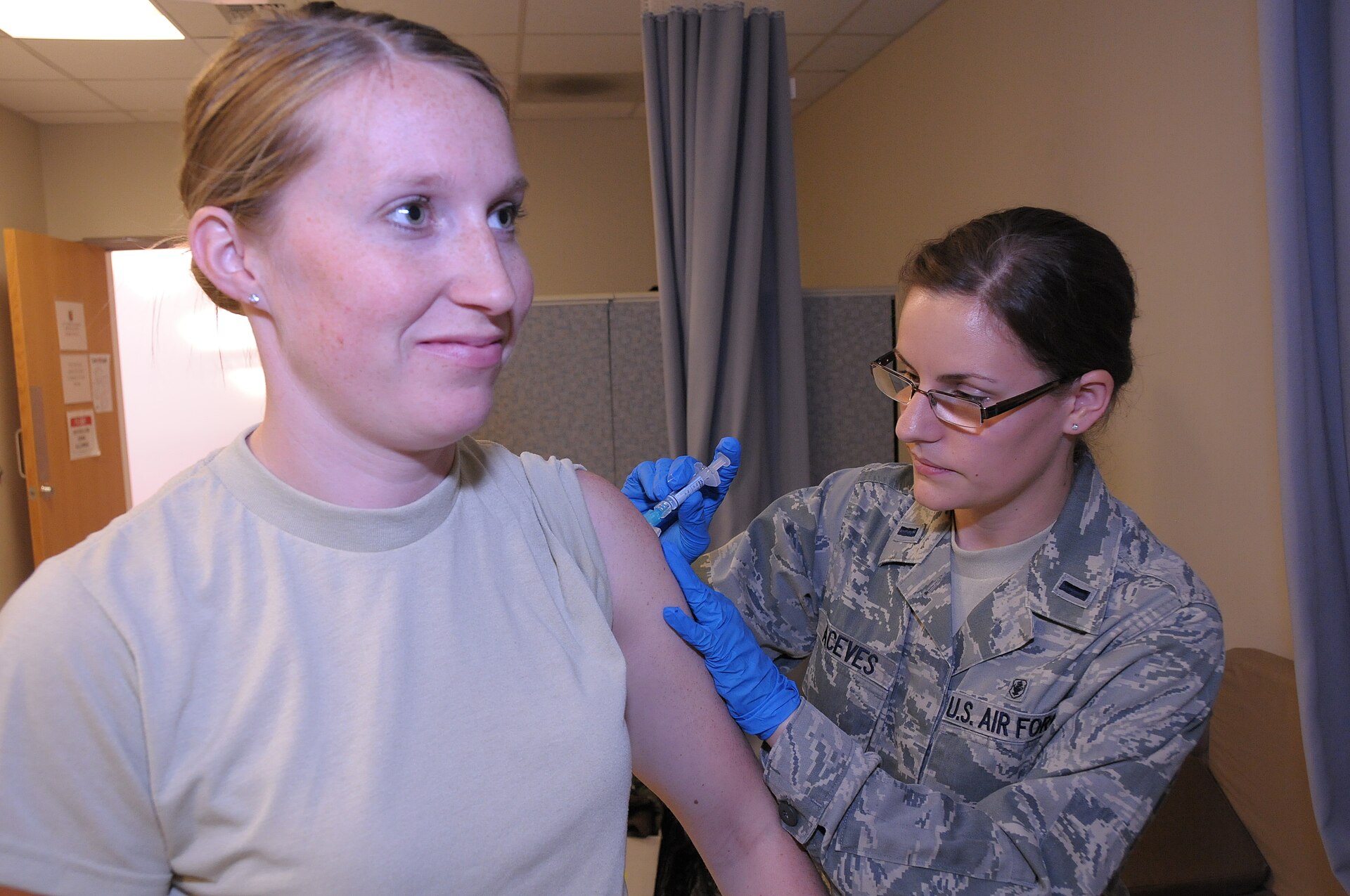
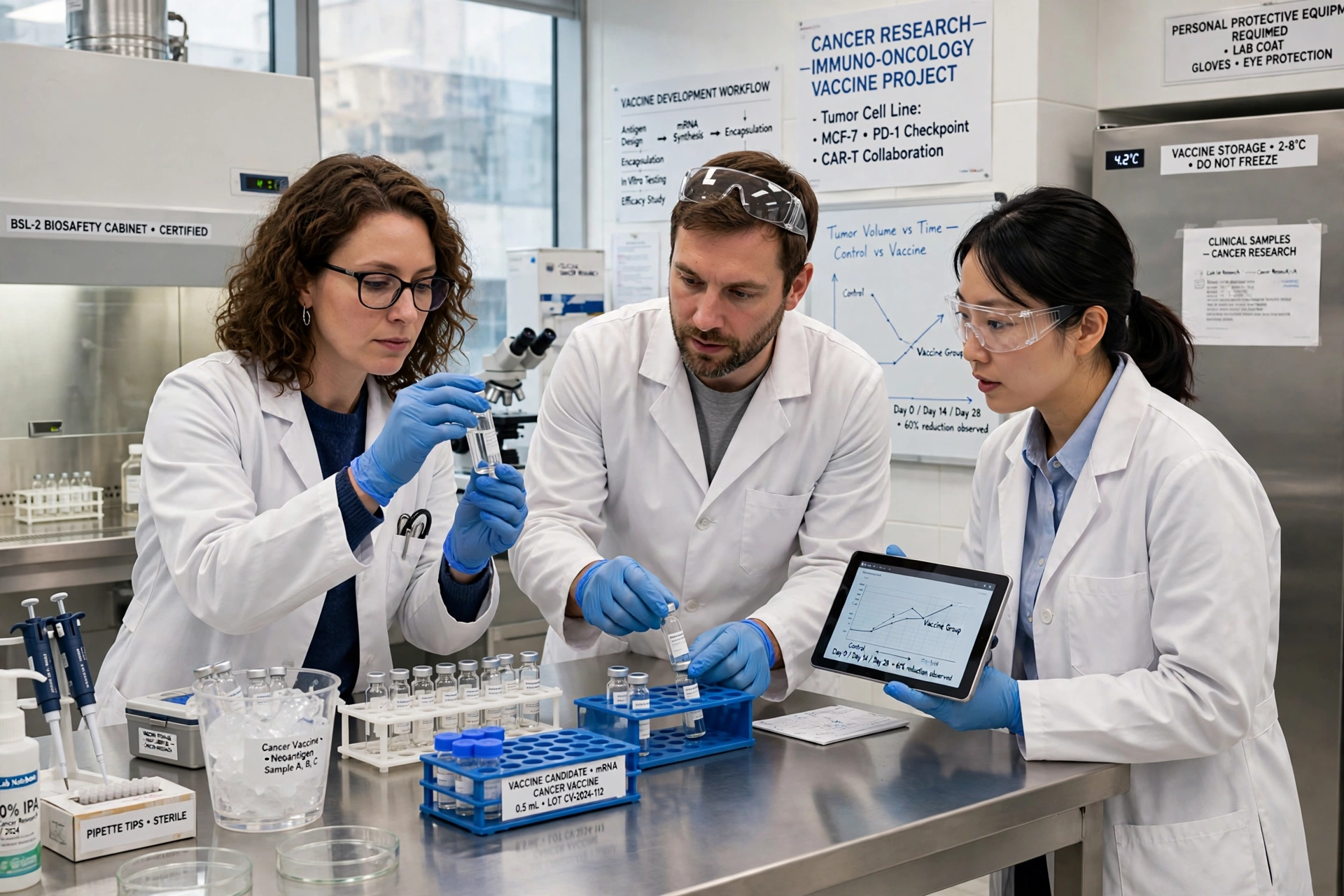
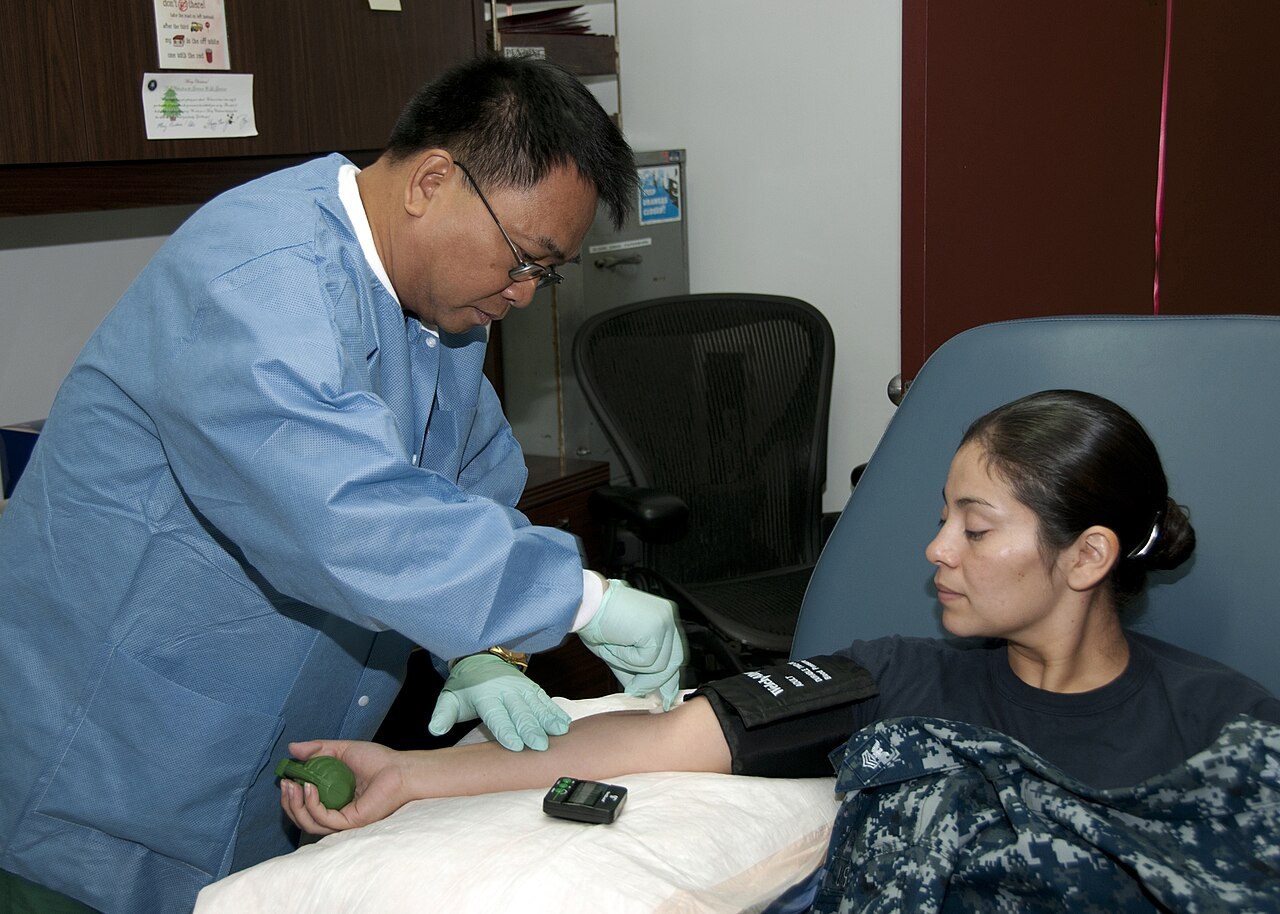
The new approach exploits the fact that the immune system begins to change long before the gut declares an emergency. Using stored blood samples from large population studies — including samples drawn many years before some donors were diagnosed — researchers measured hundreds of proteins and found signatures that distinguished future IBD patients from healthy controls. Machine-learning models combined these markers into a risk score that remained predictive up to ten years before diagnosis. Similar biomarker strategies are catalogued in the PubMed database, where prediagnostic IBD research has become an active frontier. Crucially, the test requires only a standard blood draw, making it cheap enough, in principle, to use widely.
What earlier detection could change
Identifying people at high risk a decade early opens several doors. Doctors could monitor them with periodic stool tests and imaging, catching inflammation at its mildest stage. Clinical trials could enrol prediagnostic volunteers to test whether diet, microbiome therapies or low-dose medicines can delay or even prevent disease onset — something impossible when patients arrive only after symptoms strike. Patients themselves gain time to plan, adjust and seek specialist care before a crisis. Gastroenterologists caution, however, that prediction is not destiny: a positive score would need careful counselling, confirmatory testing and clear guidance so that healthy people are not burdened with anxiety or unnecessary treatment.
What patients make of the prospect
For patient communities, the research lands on receptive ground. Surveys by IBD charities consistently show that the years before diagnosis are described as the hardest part of the illness — a period of unexplained symptoms, repeated appointments and, for some, the suspicion that their pain is not believed. A test that shortens that limbo, even for a fraction of patients, addresses a harm that medicines alone cannot. Patient advocates add one condition: early knowledge must come with early support. A risk score delivered without a care pathway, monitoring plan or honest discussion of uncertainty could trade one kind of distress for another, which is why researchers and charities increasingly design communication and follow-up protocols alongside the laboratory science.
The road from laboratory to clinic
Before such a test reaches GP surgeries, it must be validated in larger, more diverse populations, standardised across laboratories and assessed by regulators and health economists. Researchers also need to show that acting on a positive result genuinely improves outcomes, not merely that the result is accurate. Those steps take years, but the trajectory is encouraging, and it mirrors progress in other fields where blood-based early detection — from cancers to dementia — is moving from promise towards practice. For people who have endured the long, uncertain road to an IBD diagnosis, the prospect of a ten-year head start is more than a scientific curiosity; it is hope with a timetable. More health reporting appears in our health section and on the Moon Valley News homepage.