We live in a time when convenience is often prioritized over longevity. Products are designed to be sleek, lightweight, and feature-packed—but not always built to last. In many categories, durability has quietly taken a back seat to aesthetics and rapid innovation.
Yet, despite this trend, there remains a strong and growing appreciation for tools that simply refuse to fail.
Not because they are flashy.
Not because they are trendy.
But because they are dependable.
This shift is not accidental. It reflects a deeper change in how people evaluate value, reliability, and everyday performance. Whether it’s outdoor gear, work equipment, or personal accessories, the ability to withstand real-world conditions is becoming one of the most respected qualities a product can have.
This article explores why rugged design continues to matter, how it shapes user behavior, and why resilience has become a defining feature of modern utility.
The Limits of Convenience
Modern products often promise ease.
Faster setup.
Simpler interfaces.
More automation.
While these improvements are valuable, they sometimes come at a cost. Convenience-driven design can lead to:
- fragile materials
- reduced lifespan
- limited resistance to environmental stress
- higher replacement frequency
The result is a cycle where users rely on products that work well—until they don’t.
Durability challenges this cycle by prioritizing performance over convenience.
Real Life Is Not Controlled
Many products are tested under ideal conditions. But everyday life is anything but ideal.
Think about the environments people move through daily:
- crowded streets
- unpredictable weather
- physical activity
- accidental drops
- exposure to dust and moisture
Products designed only for controlled settings often struggle in these situations.
Rugged design, on the other hand, assumes that things will go wrong—and prepares for it.
The Psychology of Trustworthy Tools
There is a subtle but powerful difference between using something and relying on it.
When a product proves itself repeatedly, users begin to trust it.
This trust creates:
- confidence in daily use
- reduced hesitation
- increased efficiency
- emotional comfort
Reliable tools remove uncertainty. They allow people to focus on tasks rather than worrying about potential failure.
Why Durability Reduces Mental Load
Every unreliable product adds a small amount of stress.
You may not notice it immediately, but over time it accumulates:
- checking if something is still working
- handling items carefully to avoid damage
- planning around potential failure
Durable products eliminate these concerns.
They work consistently.
They require less attention.
They simplify decision-making.
This reduction in mental load improves overall productivity and well-being.
The Evolution of Rugged Design
Rugged products were once associated primarily with specialized industries such as construction, military operations, or extreme sports.
Today, that distinction is fading.
Modern consumers increasingly expect everyday items to offer:
- impact resistance
- water resistance
- long battery life
- structural integrity
This expectation reflects a broader desire for products that can keep up with dynamic lifestyles.
Everyday Accessories Under Pressure
Accessories may seem less critical than tools or equipment, but they are often used more frequently.
Consider how often people:
- check the time
- carry personal items
- interact with wearable accessories
Because these items are used daily, they experience continuous stress.
A fragile accessory quickly becomes inconvenient.
A durable one becomes indispensable.
The Value of Consistency Over Innovation
Innovation is often celebrated, but consistency is underrated.
A product that introduces new features every year may attract attention, but a product that performs reliably every day earns trust.
Consistency offers:
- predictable performance
- reduced learning curves
- long-term usability
In many cases, users prefer something that works the same way every time rather than something that constantly changes.
Durability and Long-Term Value
One of the most practical benefits of durable design is economic.
While rugged products may sometimes cost more upfront, they often provide better value over time.
This is because they:
- last longer
- require fewer replacements
- reduce maintenance costs
When evaluated over several years, durability often proves more cost-effective than frequent replacement.
Environmental Impact of Durable Products
Sustainability is becoming a major concern for consumers.
Durable products contribute to sustainability by:
- reducing waste
- lowering demand for manufacturing
- minimizing resource consumption
Instead of focusing solely on recycling, many experts now emphasize product lifespan as a key factor in environmental responsibility.
The longer a product lasts, the less impact it has on the environment.
The Role of Materials in Durability
Materials play a crucial role in determining how well a product performs under stress.
Common features of durable materials include:
- resistance to impact
- tolerance to temperature changes
- protection against moisture
- structural strength
Choosing the right materials is not just about durability—it’s about ensuring consistent performance across different conditions.
Why Simplicity Often Leads to Strength
Complex designs can be impressive, but they often introduce weak points.
More components mean more opportunities for failure.
Simple designs, by contrast:
- reduce vulnerability
- improve reliability
- simplify maintenance
Durability-focused products often prioritize essential features while eliminating unnecessary complexity.
Practical Example of Rugged Reliability
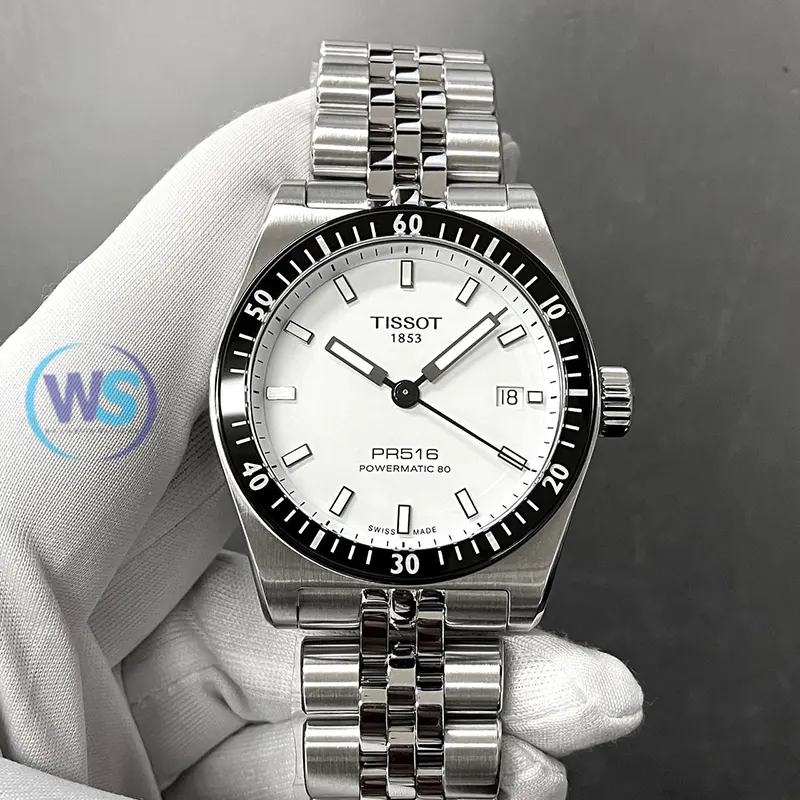
In the world of everyday accessories, certain products have become widely recognized for their resilience. For instance, a Casio G shock watch is often associated with durability because it was engineered to handle extreme conditions, including impact and environmental stress.
While not everyone needs such a high level of toughness, the underlying principle is widely appreciated: products that exceed expectations tend to earn long-term loyalty.
The Emotional Impact of Reliable Design
Reliable products do more than perform—they create a sense of security.
When users trust an item, they:
- use it more confidently
- rely on it in important situations
- develop a stronger connection to it
Over time, this connection can become emotional.
The product becomes part of daily life, not just a tool.
Durability in Professional Environments
In many professions, reliability is not optional.
Consider industries such as:
- construction
- healthcare
- logistics
- outdoor work
In these fields, equipment failure can lead to:
- lost productivity
- increased risk
- financial consequences
Durable tools are essential for maintaining efficiency and safety.
Why Consumers Are Rethinking Value
Modern consumers are more informed than ever.
They read reviews.
They compare products.
They consider long-term performance.
As a result, many are shifting from:
- short-term savings → long-term value
- visual appeal → functional reliability
- trend-following → practical decision-making
Durability aligns with these evolving priorities.
The Freedom of Not Worrying
One of the greatest advantages of durable products is freedom.
Users do not need to:
- handle them carefully
- avoid certain environments
- constantly check for damage
This freedom enhances usability.
It allows people to focus on their activities rather than the limitations of their tools.
The Future of Product Design
As consumer expectations evolve, durability is likely to become a standard requirement rather than a specialized feature.
Future trends may include:
- stronger materials
- improved testing methods
- longer product lifecycles
- integration of durability with modern design
Manufacturers who prioritize longevity will likely gain greater trust from users.
Final Thoughts
In a world that often prioritizes speed and convenience, durability offers something rare:
reliability.
It allows products to perform consistently, withstand real-world conditions, and remain useful over time.
While trends will continue to change and technology will continue to advance, the value of durability will remain constant.
Because at the end of the day, the products we rely on most are not the ones that impress us briefly…
They are the ones that continue to work—quietly and consistently—no matter what.
FAQ
Why is durability important in everyday products?
Durability ensures reliability, reduces replacement costs, and improves long-term usability.
Are durable products always expensive?
Not necessarily. While some may cost more upfront, they often provide better value over time.
How does durability affect sustainability?
Long-lasting products reduce waste and lower environmental impact.
What makes a product durable?
Strong materials, thoughtful design, and rigorous testing contribute to durability.
Is simplicity related to durability?
Yes. Simpler designs often have fewer points of failure and are easier to maintain.
Why do people prefer reliable products?
Reliable products reduce stress, improve efficiency, and build trust over time.
Will durability become more important in the future?
Yes. As consumers become more value-conscious and environmentally aware, durability will likely become a key factor in purchasing decisions.