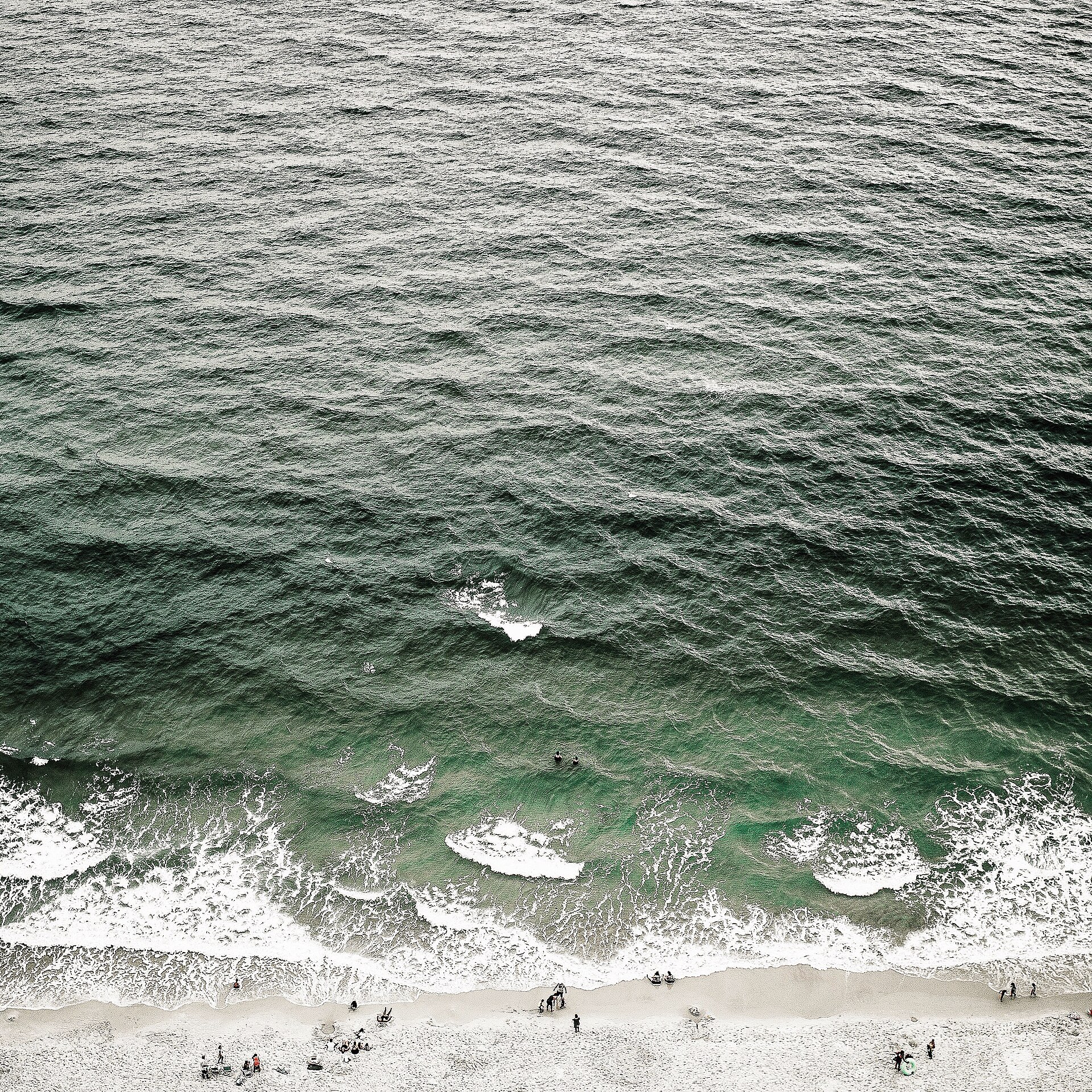

Beneath the Atlantic’s surface, a circulation system moves warm water north and cold water south in a loop that shapes weather on several continents. Multiple lines of evidence now suggest this conveyor — the AMOC — is weaker than it has been in centuries, and scientists are racing to understand how much further it could slow, and how fast.
Why Europe should care
The AMOC is a principal reason northwestern Europe enjoys a climate far milder than its latitude deserves. A substantial weakening would cool the North Atlantic region even as the planet warms, shift tropical rainfall belts, raise sea levels along the North American east coast, and rearrange fisheries whose species track water temperature. It is among the most consequential climate “tipping elements” — changes that are slow to start and very hard to reverse.
Ocean observations are coordinated internationally with data published by NOAA, and key analyses appear in Nature.
How do you measure an ocean?
You cannot put a gauge on a current thousands of kilometres wide. Scientists triangulate: arrays of moored instruments across the Atlantic at key latitudes, satellite measurements of sea-surface height and temperature, ship surveys, and fingerprints in sediment and coral records that extend the story back centuries. The direct instrument record is only about two decades long — the core difficulty in separating a trend from natural variation.
How scientists know this
Findings of this kind are not single-experiment stories. They rest on converging lines of evidence — instrument records, replication by independent groups, and models tested against observations — assembled over years and argued over in the literature. Where uncertainty remains, it is usually about magnitude and timing rather than direction. That distinction matters for how the rest of us should hold the news: not as a coin flip between true and false, but as a picture sharpening at different speeds in different places.
The collapse debate
Most models project a weakening this century but not a full collapse; a few statistical studies have warned collapse could come sooner than models suggest, drawing sharp methodological criticism in return. The responsible summary is uncomfortable: the direction of change is agreed, the speed is not, and the consequences of the bad tail are serious enough that even a low probability commands attention. Science is working as intended — the uncertainty is the finding, for now.
For more coverage of the stories shaping the day, visit our home page and the latest in the sciences.
Meltwater is the prime suspect
The mechanism is well understood in principle. The northern sinking that drives the loop depends on cold, salty, dense water. Greenland’s melting ice sheet adds fresh water at exactly the wrong place, lightening the surface and throttling the sinking. Rainfall changes and warming surface waters push the same way. The conveyor, in other words, is being slowed by the very warming it helps to moderate.
Watching the watchpoints
The practical response is observation: expanding the mooring arrays, funding the satellite missions, and funding them for decades rather than grant cycles, because a two-decade record cannot adjudicate a century-scale question. For coastal planners and insurers, the AMOC is already a line in risk models. For the rest of us, it is a reminder that the climate system has load-bearing walls — and we are leaning on one.
Why this research matters beyond the lab
Basic research has a habit of becoming infrastructure. Measurements taken to answer a scientific question end up guiding engineering standards, insurance models, public investment and school textbooks. The lag can be decades, which is precisely why the funding and the observing systems behind work like this are worth defending in the present: the data not gathered this year is the question nobody can answer in twenty. Curiosity may start the work, but societies finish it — or fail to — with budgets.
The conveyor will not stop on a headline schedule. But the evidence that it is slowing — and the scale of what depends on it — has earned it a permanent place on the short list of things humanity should measure carefully and disturb carefully.